Mortgages - So Much More Than Just the Lowest Rate!

Sukh Sohal • February 6, 2020

There aren't too many Canadians who are able to save up enough money to pay cash for their home. This is why we have mortgages. A mortgage is a loan made to assist a borrower to purchase a property. The property is held as collateral and interest is charged on the loan. Typically a mortgage will be paid back over 25 years (this is called the amortization), and the amount of interest charged is renegotiated every 1-10 years (this is called the term). Over the long run, borrowing money isn't cheap, despite interest rates being at an all time low!

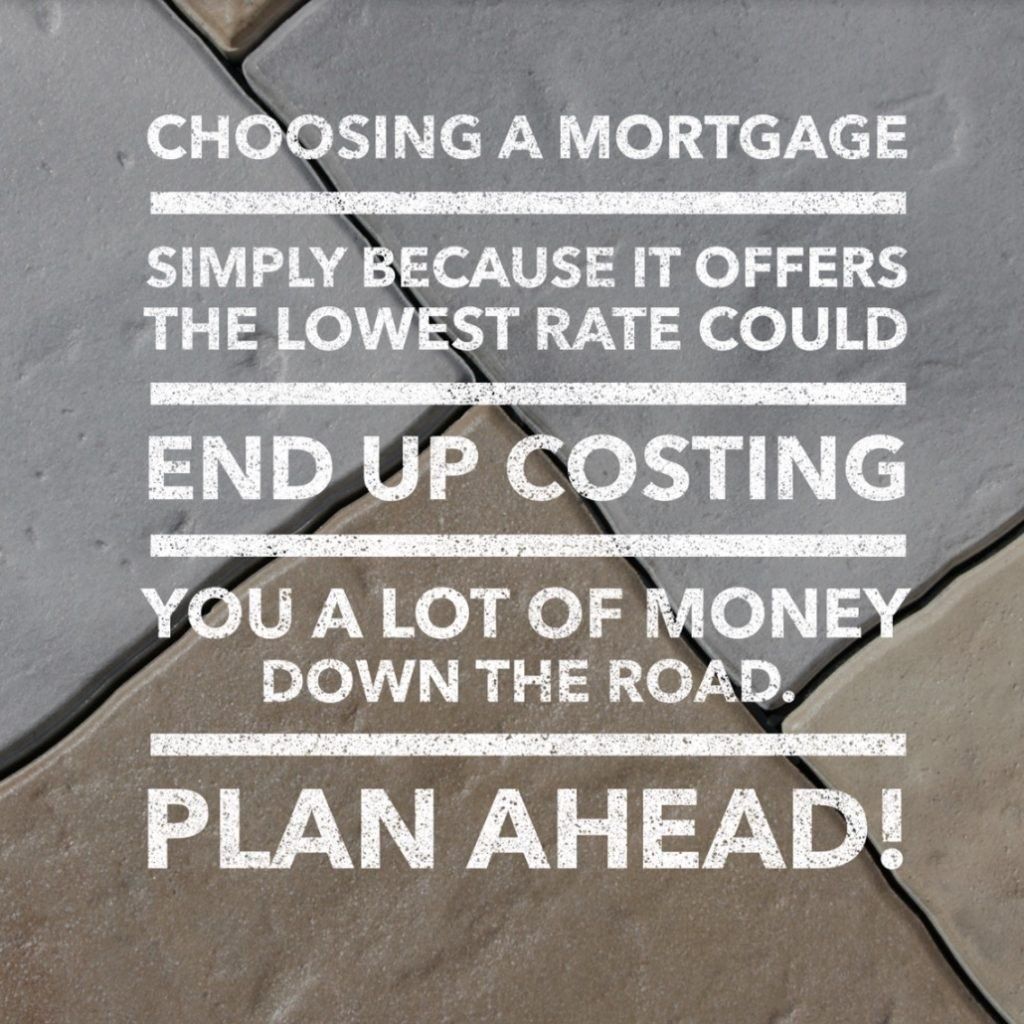
So, if you need to borrow money in order to buy a property, your number one goal should be to keep your cost of borrowing as low as possible. Bolded and italicized for emphasis. Now, contrary to what years of marketing messaging would have us believe, this doesn't always mean choosing the mortgage with the lowest rate. Although choosing a mortgage with a low rate is a part of lowering your borrowing costs, it's not the only factor.
When looking to lower the overall cost of borrowing throughout the life of your mortgage, there are many factors that should be considered. Here are some of them.

  • How long do you anticipate living in the property? This could help you decide an appropriate term.
  • Do you plan on moving for work, do you need flexibility down the road with your mortgage?
  • What does the prepayment penalty look like if you have to break your term? This is probably the biggest factor in lowering your overall cost of borrowing.
  • How is the lender's interest rate differential calculated, what figures do they use?
  • What are the prepayment privileges?
  • Can you make lump sum payments, or increase your monthly payments, and how is the interest recalculated when you do pay extra?
  • Is the mortgage a collateral charge? This could mean you won't be able to switch the mortgage upon renewal to another lender without incurring new legal costs.
  • Should you consider a fixed rate, variable rate, HELOC, or a reverse mortgage?
  • What is the size of your downpayment? Coming up with more money down might lower (or eliminate) mortgage insurance premiums.

What you will often find is that mortgages with the rock bottom, lowest rates, can have potential hidden costs built in to the mortgage terms that will cost you a lot of money down the road. The difference between 2.59% and 2.69% could save you a few bucks a month, while taking a longer fixed rate term and having to break the mortgage halfway through the term could potentially cost you thousands (tens of thousands). And this is really bad for your overall cost of borrowing.

As a mortgage consumer who will potentially buy a handful of houses in their life, your best bet is to work with an independent mortgage professional who has your best interest in mind and knows exactly how to keep your cost of borrowing as low as possible. A mortgage is so much more than just a low rate, it's really about the fine print.

If you would like to talk more about your financial situation or figure out a plan so you can plan ahead for your mortgage, please contact us anytime!

604-862-8080
info@oakandprime.ca
RECENT POSTS 

By Suhk Sohal December 11, 2025
Ready to Buy Your First Home? Here’s How to Know for Sure Buying your first home is exciting—but it’s also a major financial decision. So how can you tell if you’re truly ready to take that leap into homeownership? Whether you’re confident or still unsure, these four signs are solid indicators that you’re on the right path: 1. You’ve Got Your Down Payment and Closing Costs in Place To purchase a home in Canada, you’ll need at least 5% of the purchase price as a down payment. In addition, plan for around 1.5% to 2% of the home’s value to cover closing costs like legal fees, insurance, and adjustments. If you’ve managed to save this on your own, that’s a great sign of financial discipline. If you're receiving help from a family member through a gifted down payment , that works too—as long as the paperwork is in order. Either way, having these funds ready shows you’re prepared for the upfront costs of homeownership. 2. Your Credit Profile Tells a Good Story Lenders want to know how you manage debt. Before they approve you for a mortgage, they’ll review your credit history. What they typically like to see: At least two active credit accounts (trade lines) , like a credit card or loan Each with a minimum limit of $2,000 Open and active for at least 2 years Even if your credit isn’t perfect, don’t panic. There may still be options, such as using a co-signer or working on a credit improvement plan with a mortgage expert. 3. Your Income Can Support Homeownership—Comfortably A steady income is essential, but not all income is treated equally. If you’re full-time and past probation , you’re in a strong position. If you’re self-employed, on contract, or rely on variable income like tips or commissions, you’ll generally need a two-year history to qualify. A general rule: housing costs (mortgage, taxes, utilities) should stay under 35% of your gross monthly income . That leaves plenty of room for other living expenses, savings, and—yes—some fun too. 4. You’ve Talked to a Mortgage Professional Let’s be real—there’s a lot of info out there about buying a home. Google searches and TikToks can only take you so far. If you're serious about buying, speaking with a mortgage professional is the most effective next step. Why? Because you'll: Get pre-approved (and know what price range you're working with) Understand your loan options and the qualification process Build a game plan that suits your timeline and financial goals The Bottom Line: Being “ready” to buy a home isn’t just about how much you want it—it’s about being financially prepared, credit-ready, and backed by expert advice. If you’re thinking about homeownership, let’s chat. I’d love to help you understand your options, crunch the numbers, and build a plan that gets you confidently across the finish line—keys in hand.
By Suhk Sohal December 4, 2025
How to Start Saving for a Down Payment (Without Overhauling Your Life) Let’s face it—saving money isn’t always easy. Life is expensive, and setting aside extra cash takes discipline and a clear plan. Whether your goal is to buy your first home or make a move to something new, building up a down payment is one of the biggest financial hurdles. The good news? You don’t have to do it alone—and it might be simpler than you think. Step 1: Know Your Numbers Before you can start saving, you need to know where you stand. That means getting clear on two things: how much money you bring in and how much of it is going out. Figure out your monthly income. Use your net (after-tax) income, not your gross. If you’re self-employed or your income fluctuates, take an average over the last few months. Don’t forget to include occasional income like tax returns, bonuses, or government benefits. Track your spending. Go through your last 2–3 months of bank and credit card statements. List out your regular bills (rent, phone, groceries), then your extras (dining out, subscriptions, impulse buys). You might be surprised where your money’s going. This part isn’t always fun—but it’s empowering. You can’t change what you don’t see. Step 2: Create a Plan That Works for You Once you have the full picture, it’s time to make a plan. The basic formula for saving is simple: Spend less than you earn. Save the difference. But in real life, it’s more about small adjustments than major sacrifices. Cut what doesn’t matter. Cancel unused subscriptions or set a dining-out limit. Automate your savings. Set up a separate “down payment” account and auto-transfer money on payday—even if it’s just $50. Find ways to boost your income. Can you pick up a side job, sell unused stuff, or ask for a raise? Consistency matters more than big chunks. Start small and build momentum. Step 3: Think Bigger Than Just Saving A lot of people assume saving for a down payment is the first—and only—step toward buying a home. But there’s more to it. When you apply for a mortgage, lenders look at: Your income Your debt Your credit score Your down payment That means even while you’re saving, you can (and should) be doing things like: Building your credit score Paying down high-interest debt Gathering documents for pre-approval That’s where we come in. Step 4: Get Advice Early Saving up for a home doesn’t have to be a solo mission. In fact, talking to a mortgage professional early in the process can help you avoid missteps and reach your goal faster. We can: Help you calculate how much you actually need to save Offer tips to strengthen your application while you save Explore alternate down payment options (like gifts or programs for first-time buyers) Build a step-by-step plan to get you mortgage-ready Ready to get serious about buying a home? We’d love to help you build a plan that fits your life—and your goals. Reach out anytime for a no-pressure conversation.